
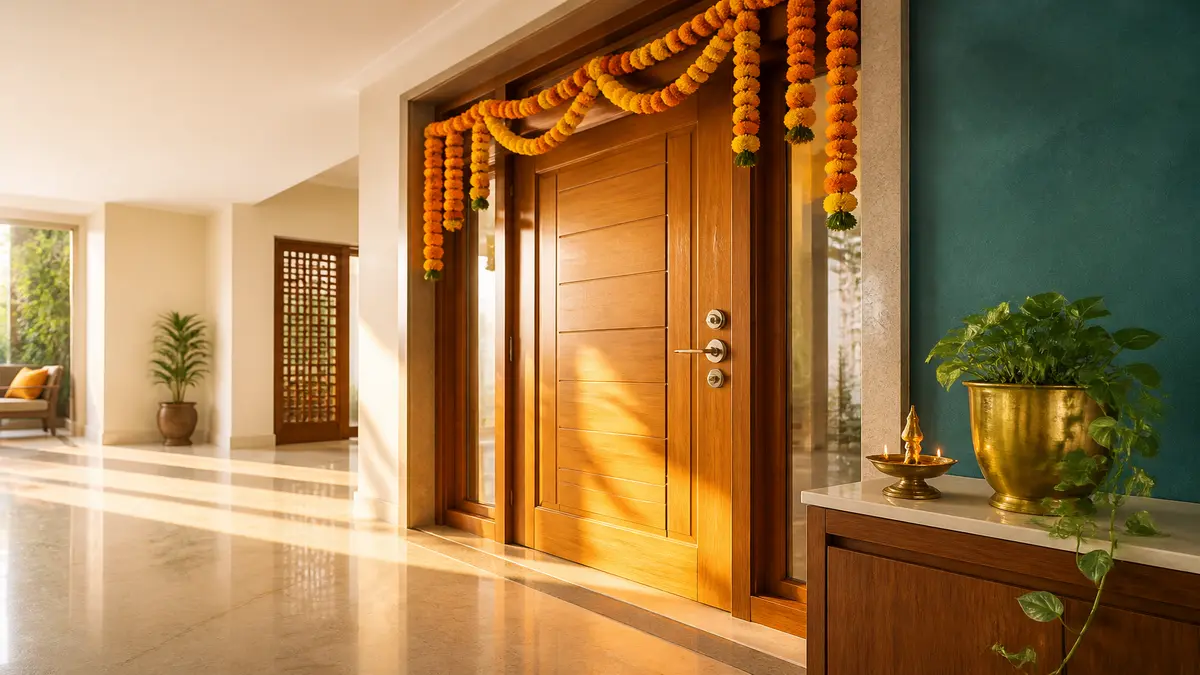
Imagine finding a beautiful apartment in Hyderabad that perfectly fits your family’s needs, only to realize the main door faces west. Many homebuyers hesitate at this point, assuming that only north or east-facing homes bring good luck and prosperity. This is a common misunderstanding in modern real estate.
In traditional architecture, the west direction is governed by Lord Varun (the deity of water) and the planet Saturn (Shani). When aligned correctly, this zone is believed to invite long-term financial stability, professional growth, and peaceful family relationships. The secret lies not in avoiding the west, but in placing the entrance and rooms in the correct zones.
This guide explains everything you need to know about West Facing House Placement as per Vastu, covering the ideal room layouts, auspicious entrance padas, and practical remedies for modern Indian homes.
| Detail | Info |
|---|---|
| Best Direction | West (Specifically 3rd, 4th, and 5th Padas) |
| Directions to Avoid | South-West and North-West corners for the main door |
| Ruling Element / Deity | Water Element / Lord Varun & Planet Saturn |
| Best Colors | White, silver, light blue, beige, and cream |
| Key Remedy | Brass pyramids, Swastika symbols, and earth crystals |
| Best Day to Set Up | Saturday or Thursday |
| Last Updated | 2026 |
“A west-facing house is not inherently bad; when aligned with the right entrance padas, it is believed to bring immense financial stability, social respect, and long-term professional growth.”
Is a West Facing House Good According to Vastu?
A west-facing house is considered highly auspicious in Vastu Shastra when the main entrance is located in specific beneficial zones known as padas. Traditionally ruled by Lord Varun and the planet Saturn, these homes are believed to attract wealth, business success, and long-term prosperity when designed correctly.
There is a widespread myth that only east or north-facing homes are lucky. In reality, Vastu principles state that all directions can be favorable if the internal layout follows natural energy flows. A west-facing property is traditionally associated with people in specific professions. Business owners, financial advisors, politicians, and teachers are believed to thrive in west-facing homes because the energy of Saturn promotes discipline and steady growth.
From a practical standpoint, the west wall receives the harsh afternoon and evening sun. Traditional guidelines suggest keeping the west and south walls thicker with fewer windows. This is not just a spiritual rule; it is an ancient method of thermal insulation, keeping the house cooler during hot Indian summers.
Ideal Entrance Placement for a West Facing House
The placement of the main door is the most critical factor in any home. In Vastu, the west side of a plot is divided into eight equal parts, known as padas, starting from the North-West corner (W1) to the South-West corner (W8). Identifying the correct pada is essential for a positive flow of energy.
The most auspicious entrances are located in the middle padas. If you are buying a readymade flat and the door is slightly off, do not worry—simple remedies can help balance the energy. Here is how the different padas affect your home:
| Direction (Pada) | Effect (as per Vastu) | Remedy If Placed Here |
|---|---|---|
| W1 & W2 (North-West) | Believed to create instability in career and finances. | Place a brass pyramid above the door. |
| W3 (Sugriva) | Highly auspicious; believed to bring incredible wealth and growth. | No remedy needed. Keep the area well-lit. |
| W4 (Pushpdant) | Very beneficial; associated with financial gain and family harmony. | No remedy needed. Decorate with a Toran. |
| W5 (Varun) | Good placement; brings mixed but generally positive results. | Keep a small water bowl near the entrance. |
| W6 (Pusha) | Believed to cause unnecessary delays in daily life. | Paint the door in a light, neutral color. |
| W7 & W8 (South-West) | Considered inauspicious; believed to block positive energy. | Use a lead metal helix or a dark curtain to block heavy sunlight. |
Room-by-Room Layout: Best Placement for Your Home
Once the entrance is finalized, the internal arrangement determines the harmony of the household. A well-planned layout ensures that every room receives the right balance of sunlight, wind, and cosmic energy. Much like evaluating a South Facing House as per Vastu, mapping out the internal zones correctly can make a massive difference.
- Step 1 — The Master Bedroom: The South-West corner is the most stable zone in any house. Placing the master bedroom here is believed to bring strength, authority, and peaceful sleep to the head of the family. Keep the bed aligned so you sleep with your head pointing south.
- Step 2 — The Kitchen: The ideal location for the kitchen is the South-East corner (the fire zone). If South-East is unavailable, the North-West corner is a good secondary option. Always ensure you face east while cooking.
- Step 3 — The Living Room: For a west-facing house, the living area should ideally be in the North, East, or North-East zones. This keeps the social center of the house bright and welcoming, as these directions receive gentle morning sunlight.
- Step 4 — The Pooja Room: The North-East corner (Ishan Kund) remains the most sacred space for a pooja room in any home, regardless of the main entrance direction. Ensure the idols face west so you face east while praying.
- Step 5 — The Guest Room and Kids’ Room: The North-West is ideal for a guest room, while children can have their study or bedroom in the West or South zones to encourage focus and discipline.
Essential Dos and Don’ts for West Facing Homes
Maintaining positive energy requires a few conscious lifestyle and design choices. These traditional rules help maximize the benefits of your home’s orientation.
| Do | Don’t |
|---|---|
| Ensure the plot slopes downwards towards the North or East. | Don’t buy a plot that slopes downwards towards the West or South. |
| Make the Southern and Western walls thicker and higher. | Don’t leave the South-West corner empty or too light. |
| Plant tall, dense trees on the West and South borders. | Don’t plant heavy trees in the North or East zones. |
| Keep the North-East corner clean, open, and clutter-free. | Don’t place a kitchen, toilet, or heavy furniture in the North-East. |
| Place the overhead water tank in the South-West or West. | Don’t dig a borewell or underground tank in the South-West. |
| Use warm, neutral colors for the exterior walls. | Don’t paint the western facade in bright red or dark black. |
Pro Tip
If you live in a rented apartment and cannot change the wall thickness or plant large trees, use heavy, dark-colored blackout curtains on the western windows. This simple step blocks the intense afternoon heat, naturally keeping the space cooler and balancing the energy flow.
How to Identify and Fix Common West Facing Vastu Doshas
Sometimes, a property may have structural flaws, known as doshas. Before rejecting a home, remember that most issues have simple rectifications. Just as you would look out for South Facing House Vastu Mistakes to Avoid, here are common west-facing doshas and how to fix them:
- Main Door in the South-West (W8): This is a common dosha. To fix it, place two brass Swastika symbols on either side of the door. You can also embed a lead helix in the floor near the entrance to neutralize the heavy energy.
- Kitchen in the North-East: The fire element clashes with the water zone here. If you cannot move the kitchen, place a yellow marble slab under the gas stove and keep the area strictly clean.
- Underground Water Tank in the West: If a borewell or water sump is in the west or south-west, it creates an imbalance. Paint the lid of the tank red and consult a Vastu expert to place earth crystals around the tank’s boundary.
- Extended West Corner: A plot that extends too much in the west can cause delays. Create a physical boundary using indoor plants or a wooden screen to “cut off” the extra extension visually.
Watch Out
The most common mistake homeowners make is completely blocking the west-facing entrance from light and air out of fear. While you should block harsh afternoon heat, ensure your main door is well-lit in the evenings. A dark, gloomy entrance blocks positive energy regardless of the direction.
Easy Vastu Remedies to Enhance Positive Energy
Vastu is largely about balancing the five elements (Earth, Water, Fire, Air, Space). You can easily enhance the energy of your west-facing home using colors, materials, and specific decor items. These principles are as practical as North Facing House Vastu Tips, focusing on harmony and balance.
- Use the Right Colors: The west is governed by Saturn and the water element. The best colors for western rooms are white, silver, beige, cream, and light blue. Avoid excessive use of fiery red or bright green, as they can disrupt the calm energy.
- Brass and Copper Elements: Placing brass decorative items, such as a brass sun or wind chimes, in the western zone is believed to invite positive vibrations and stabilize career growth.
- Mirrors on the North Wall: Placing a large, clean mirror on the northern or eastern walls of your living room reflects morning light, making the house feel brighter and more expansive.
- Indoor Plants: Keep broad-leaved green plants like Money Plants or Peace Lilies in the north or east balconies. If you have western windows, use heavy terracotta pots to add the earth element, which anchors the space.
Believed Benefits of a West Facing Home
When aligned with proper Vastu guidelines, a west-facing property is highly regarded. Here are the traditional benefits associated with this orientation:
- Financial Stability: Believed to bring steady, long-lasting wealth rather than sudden, unstable spikes in income.
- Career Growth: Traditionally associated with high success rates for business owners, traders, and politicians due to the disciplined energy of Saturn.
- Strong Social Relationships: The west direction is linked to social reputation and respect in society.
- Peaceful Evenings: Homes with western living spaces enjoy beautiful sunset views, creating a relaxing atmosphere for the family to gather after work.
5 Vastu Rules Everyone Gets Wrong About West Facing Homes
-
Myth: West is always bad.
Fact: West is highly auspicious if the main door is in the 3rd or 4th pada.
-
Myth: You can’t have windows in the west.
Fact: You can, but they should be smaller than northern windows to block heat.
-
Myth: Tulsi cannot be grown in a west-facing house.
Fact: You can grow Tulsi perfectly well in the North-East or East balcony.
-
Myth: You must paint the door black for Saturn.
Fact: Black is too heavy. Light blue, white, or natural wood are much better choices.
-
Myth: Doshas in west-facing homes cannot be fixed.
Fact: Almost all doshas can be balanced using yantras, colors, and metal strips.
Reality Check: Vastu Is a Guide, Not a Guarantee
Vastu Shastra is an ancient and respected traditional belief system designed to harmonize human dwellings with nature. However, it is important to remember that Vastu is a guide for better living, not a magical guarantee for wealth or health. A home’s energy is largely shaped by the people who live in it, their actions, and how well they maintain the space.
Many Vastu rules have solid, practical architectural reasons behind them. For example, recommending thicker walls and fewer windows in the west and south is simply brilliant climate control for India. The afternoon sun hits the western walls directly, and keeping them closed off prevents the house from turning into an oven. Recommending the North-East for open spaces and pooja rooms ensures the house catches the cool, gentle morning sunlight and cross-ventilation.
Homebuyers should never reject a structurally sound, legally clear, and well-located property solely because it breaks a minor Vastu rule. If you find a perfect apartment, check if it is part of the Telangana RERA Approved Projects for legal safety first. Any Vastu imperfections can almost always be managed with simple, renter-friendly remedies like changing curtain colors, repositioning furniture, or placing small metallic symbols.
Expert Tip
To maximize the benefits of a west-facing home, keep the western boundary wall slightly higher and thicker than the eastern boundary wall. This traditional technique is believed to trap positive energy within the plot while physically shielding the home from intense afternoon heat and dusty winds.
Frequently Asked Questions
Is a west-facing house good for everyone?
Yes, a west-facing house can be excellent for anyone if the entrance is in the correct pada. However, it is traditionally believed to be especially beneficial for business owners, politicians, financial advisors, and teachers. The key is ensuring the main door falls in the Sugriva or Pushpdant zones, which invite stability and growth.
Which pada is best for the entrance of a west-facing house?
The 3rd pada (Sugriva) and 4th pada (Pushpdant) are considered the most auspicious zones for a west-facing entrance. These padas are traditionally associated with attracting wealth, family harmony, and professional success. The 5th pada (Varun) is also considered a favorable option that yields balanced, positive results.
Where should the kitchen be in a west-facing house?
The best location for a kitchen in any home, including a west-facing one, is the South-East corner. This direction represents the fire element. If the South-East is not available, the North-West corner is the next best alternative. Always ensure that the person cooking faces the east direction.
What are the common Vastu doshas in west-facing homes?
The most common Vastu doshas in west-facing homes include having the main entrance in the South-West corner, placing the kitchen in the North-East, or having an underground water tank in the South-West. These structural placements are believed to create energy imbalances, but they can be corrected with specific remedies.
Can a main door in the South-West be corrected?
Yes, a main door in the South-West can be corrected without structural demolition. Vastu experts often recommend placing lead metal helices near the door, painting the door in light, neutral colors, and fixing brass Swastika symbols on the doorframe to neutralize the heavy energy associated with this zone.
Does a west-facing house bring financial success?
According to Vastu principles, a west-facing house is strongly associated with steady financial success and business growth. Because it is ruled by the planet Saturn, the energy of the home promotes discipline, patience, and hard work, which are believed to eventually lead to solid, long-term wealth accumulation.
Looking for a Vastu-Friendly Property in Hyderabad?
From east-facing plots to Vastu-compliant apartments — explore verified listings on BigProperty.in, or ask us directly.
Chat with us on WhatsApp or email [email protected]
Download the BigProperty App for property alerts, verified plots and Vastu-tagged listings in Hyderabad.

