

A practical guide to evaluating the most expensive structural component in American homes
NRI property investment in the United States has grown steadily over the past decade. Buyers from India routinely evaluate location, school districts, financing options, and rental yield before making an offer. Most of them, however, overlook the single most expensive structural component in an American home: the roof.
That oversight can be costly. A home with a roof nearing the end of its useful life can lose $15,000 to $25,000 in appraised value – or sit on the market for months because buyers walk away after the inspection report. For NRIs purchasing remotely or through a power of attorney, the risk is even higher. A roof problem that a local buyer might catch during a walkthrough can go completely unnoticed by someone reviewing photos and documents from another continent.
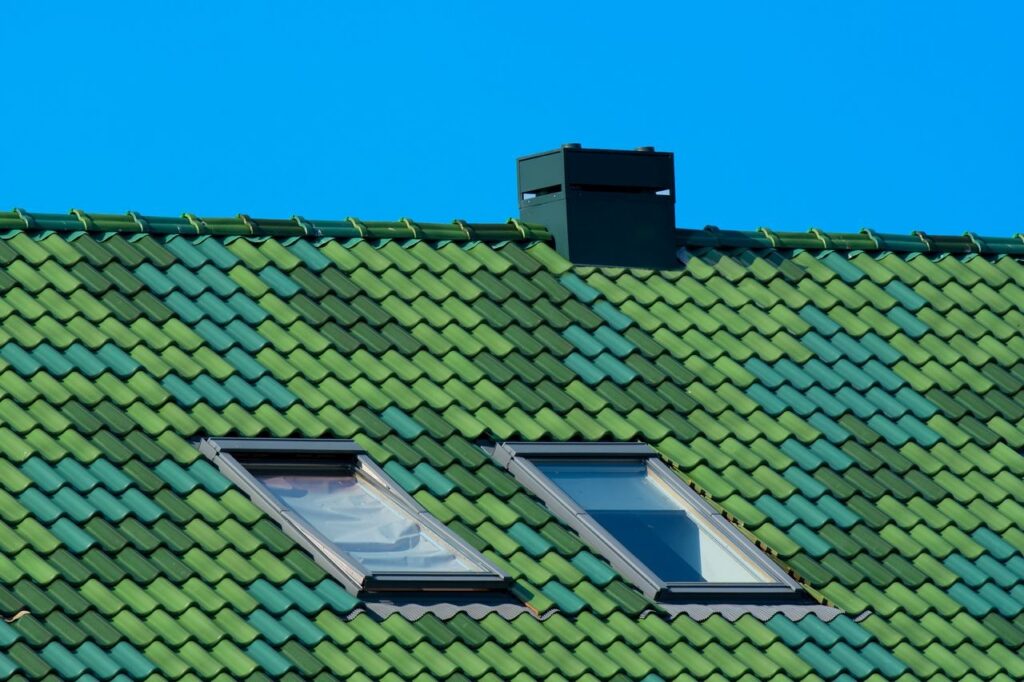
This article covers the basics that every NRI buyer should understand: how American roofing differs from Indian construction, what roof condition means for property value, how to spot warning signs, and what replacement actually costs.
How American Roofing Differs from Indian Construction
Most residential buildings in India use reinforced concrete (RCC) flat roofs. They last for decades with minimal upkeep. American homes are built differently. The vast majority of houses in the United States use wood-framed pitched roofs covered with materials that wear out over time and need periodic replacement.
The most common roofing materials in American residential construction, along with their typical lifespans, are:
Asphalt shingles – the most widely used material in the US. Expected lifespan of 20 to 30 years. Affordable to install ($8,000 to $15,000 for an average home), but vulnerable to wind, hail, and UV degradation.
Concrete and clay tile – common in Florida, the Southwest, and parts of California. Lifespan of 40 to 50 years or more. Higher upfront cost ($15,000 to $30,000+), but tile handles heat and humidity well.
Metal roofing – standing seam and corrugated panels, increasingly popular for both residential and commercial properties. Lifespan of 40 to 70 years depending on the metal type. Costs range from $12,000 to $25,000+.
Flat/single-ply membranes (TPO, EPDM) – used on low-slope commercial buildings and some modern residential designs. Lifespan of 20 to 30 years. Cost varies widely based on square footage.
Climate plays a major role in which material makes sense. In hurricane-prone states like Florida, building codes require roofing systems rated for high winds – often 150 mph or above in certain zones. In northern states, roofs need to handle heavy snow loads. An NRI buyer evaluating properties in different US regions should expect to see different materials and different maintenance histories depending on the local climate.
How Roof Condition Affects Property Value
Roof condition has a direct, measurable effect on what a home sells for. According to data published by Opendoor, one of the largest US residential real estate platforms, a new roof typically adds $10,000 to $20,000 to a home’s resale value. A 2023 Cost vs. Value analysis from Remodeling Magazine found that the average roof replacement adds approximately $17,807 in resale value, recovering roughly 60% to 68% of the project cost.
Those numbers work in reverse, too. A buyer who discovers that a home needs a new roof within the next few years will almost always discount their offer by the estimated replacement cost – and sometimes by more, because they factor in the inconvenience, the risk of hidden water damage underneath, and the possibility that insurance carriers will decline coverage on older roofs.
Appraisers and home inspectors flag roof age and condition as one of their top-line items. Licensed contractors who handle roof replacement and repair regularly see how much deferred maintenance costs homeowners at the point of sale. Pillar 22, a certified general contractor (CBC #CBC1268572) serving Palm Beach County, Florida, reports that buyers frequently underestimate the cost of putting off roof work – and that a home with a recently replaced roof often sells faster and closer to asking price than comparable homes with aging roofing systems.
For NRI buyers, the takeaway is blunt: never finalize a property purchase in the US without knowing the roof’s age, material, and current condition. A roof that looks fine in listing photos can be 22 years into a 25-year lifespan.
Red Flags NRI Buyers Should Watch For
An NRI buyer working remotely will usually rely on an inspection report and photos rather than a personal walkthrough. That makes it even more important to know exactly what to look for – and what to ask a local agent or inspector to check.
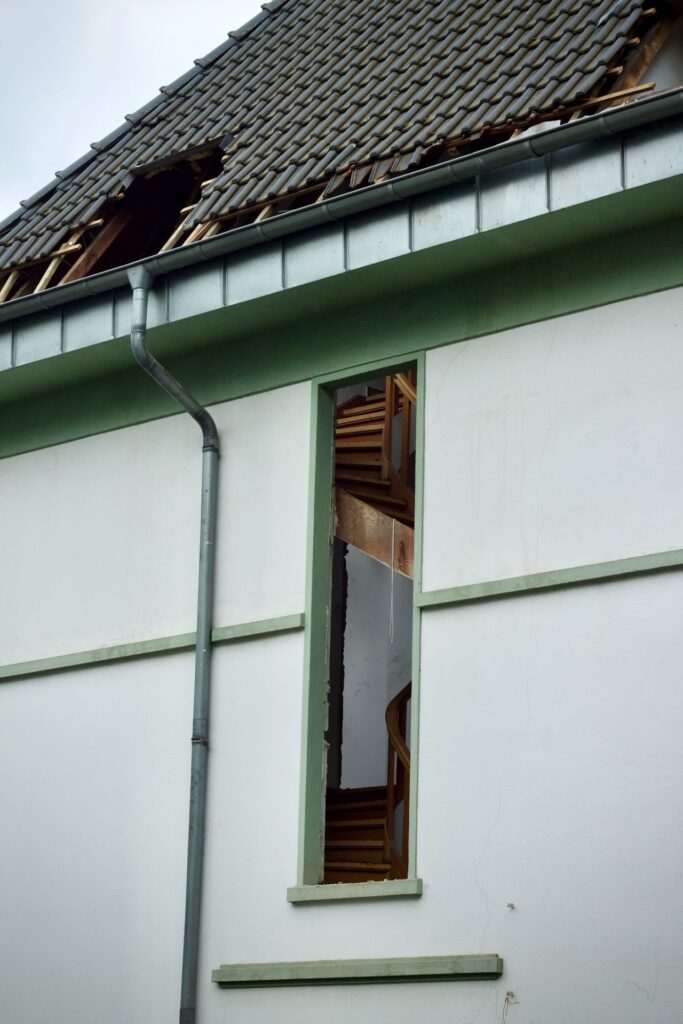
Visible Exterior Signs
Missing, cracked, or curling shingles. Shingles that are lifting at the edges, cracked through the middle, or missing altogether are a clear sign of age. On tile roofs, look for cracked or displaced tiles.
Sagging roofline. A roofline should be straight. Any visible dip or sag suggests structural issues underneath – potentially rotted decking or compromised trusses. This is one of the more expensive problems to fix.
Granule buildup in gutters. Asphalt shingles shed granules as they age. If the home’s gutters are full of dark, sand-like material, the shingles are losing their protective surface layer.
Damaged or deteriorated flashing. Flashing is the metal or sealant material around chimneys, vents, skylights, and roof edges. Rusted, cracked, or peeling flashing is a common entry point for water.
Interior Warning Signs
Water stains on ceilings or walls. Brown or yellowish rings on ceilings – especially on upper floors – indicate past or active roof leaks. Even if the stain looks old, it suggests the roof allowed water intrusion at some point.
Daylight visible through the roof boards. In the attic, any visible pinpoints of light coming through the roof deck mean the underlayment has failed. Water follows those same paths.
Mold or mildew in the attic. Poor ventilation and moisture intrusion from a compromised roof create conditions for mold. Remediation is expensive and sometimes requires partial roof removal.
Documentation Red Flags
No records of the roof’s installation date or material. A seller who cannot produce documentation of when the roof was last replaced or what material was used may be concealing its age. Ask directly, and verify with the local building department’s permit records if needed.
Evidence of patch repairs rather than full replacement. Multiple small patches, mismatched shingle colors, or sections of new material alongside old material suggest the roof has been repaired rather than replaced. Patches buy time, but they do not reset the roof’s overall lifespan.
The Home Inspection Process: What NRI Buyers Need to Know
In the United States, almost every residential property transaction includes a home inspection – a paid evaluation conducted by a licensed professional who examines the property’s structure, systems, and condition. The inspection is typically arranged by the buyer after an offer is accepted but before the sale closes.
The roof is one of the most important sections of a standard home inspection report. The inspector will evaluate the roof’s material and approximate age, the condition of shingles or tiles, flashing integrity, signs of leaks or water damage, gutter condition, and ventilation in the attic space.
For properties where the roof appears marginal – say, 18 years old with visible wear – buyers can request a specialized roof inspection from a licensed roofing contractor. This is a more detailed evaluation than what a general home inspector provides and typically includes a written estimate for any needed repairs or full replacement.
NRI buyers should understand the inspection contingency clause in their purchase agreement. Most standard real estate contracts in the US allow the buyer to negotiate repairs, request a price reduction, or walk away from the deal entirely based on inspection findings – with no penalty. This contingency period is usually 7 to 14 days. A roof that needs replacement within the next two to three years is a legitimate negotiation point, and buyers should not hesitate to use it.
If an NRI buyer cannot attend the inspection in person, they should arrange for their real estate agent or a trusted local representative to be present. Many inspectors also offer video call walkthroughs during the inspection for remote buyers.
What Roof Replacement Costs in the United States
Roof replacement is the largest single maintenance expense most American homeowners will face. Costs depend on the home’s size, the roofing material, the local labor market, and regional building code requirements.
General cost ranges for a typical single-family home (1,500 to 2,500 square feet of roof area):
Asphalt shingles: $8,000 to $15,000
Concrete or clay tile: $15,000 to $30,000+
Metal (standing seam): $12,000 to $25,000+
Flat roof (TPO/EPDM): $5,000 to $15,000
Costs run higher in states with strict building codes. Florida is a good example. The state enforces what is commonly called the 25% rule: if more than 25% of a roof’s surface is repaired or replaced in any 12 months, the entire roof must be brought up to the current Florida Building Code. In hurricane-prone coastal areas, that means impact-rated materials, reinforced fastening patterns, and a secondary water barrier – all of which add to the total project cost.
NRI buyers should factor roof age into their total purchase budget. A home priced at $350,000 with a 22-year-old shingle roof effectively costs $360,000 to $365,000 once the replacement is accounted for – and that replacement will likely be needed within three to five years of purchase.
Making a Smarter Investment Decision
Roof condition should carry the same weight as location, school district, or rental yield when an NRI buyer evaluates a US property. A few practical steps reduce the risk:
Always request a roof inspection before closing. General home inspections cover the roof, but a dedicated roof inspection provides more detail. The cost – typically $200 to $500 – is small relative to the information it provides.
Ask for documentation. Request the roof’s installation date, material warranty information, and any permit records from the local building department. A transferable manufacturer warranty on a newer roof is a genuine asset.
Factor roof age into your offer. A roof with five years of life remaining is not the same as one with 25 years. Adjust your offer accordingly, and be prepared to negotiate a credit or price reduction based on the inspection results.
Check insurance requirements. Some US insurance carriers will not write new policies on homes with roofs older than 15 to 20 years, or they require a separate roof inspection before issuing coverage. An uninsurable roof is a deal-breaker, not a negotiation point.
For NRI buyers entering the American property market, the roof is not a detail – it is one of the most consequential financial factors in the entire transaction. A solid understanding of roof condition, costs, and inspection processes protects long-term investment returns and eliminates one of the most common sources of post-purchase regret.
Note: Brought to you by BigProperty, your trusted partner for smart real estate decisions—empowering property buyers and NRIs worldwide with transparent insights to make every investment a seamless success.

